 CHANGHORN
CHANGHORN
CHANGHORN
When it comes to electrical motors, a soft starter offers substantial benefits. According to the Electrical Apparatus Service Association (EASA), about 70% of motor-related failures stem from starting issues. Implementing a soft starter can reduce starting current by 50-60%. This results in lower initial torque and minimizes wear on the motor and connected systems.
Expert in motor control technology, Dr. John Larson, emphasizes, "A soft starter is crucial for enhancing motor longevity and efficiency." With its ability to manage the startup process, a soft starter helps prevent mechanical stress and electrical shock to systems. It pays dividends in reduced maintenance costs and improved reliability.
However, the effectiveness of a soft starter can be hampered by improper installation or application. Users should ensure compatibility with their specific motor types and operating conditions. If overlooked, this can lead to inefficiencies that counter the benefits soft starters are designed to provide. Hence, proper evaluation and expert advice are essential when considering the integration of soft starters into motor systems.
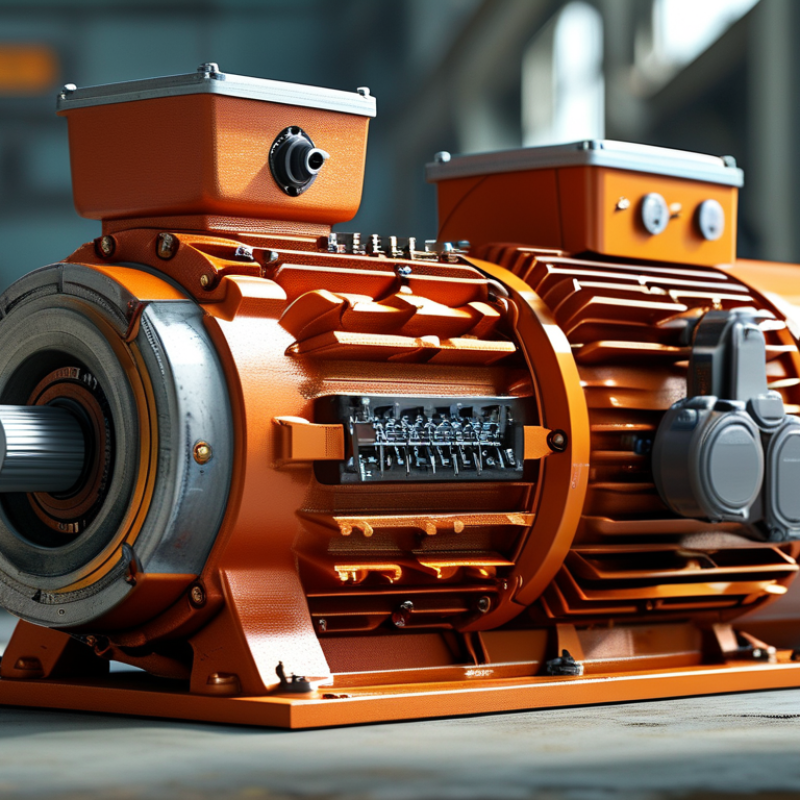
Soft starters have become essential for electric motors in various applications. These devices help control the initial electrical current and voltage supplied to the motor. This control results in a gradual acceleration of the motor. Reports indicate that using soft starters can reduce start-up current by up to 50%. This reduction minimizes stress on electrical components.
In addition to lowering inrush current, soft starters also extend the life of motors. The smoother start-up process reduces wear and tear. Research has shown that motors with soft starters can last 20% longer than those without. Furthermore, soft starters help protect machinery from damage during start-up. Instead of jolting, motors achieve a controlled ramp-up speed.
Integrating soft starters can lead to energy savings as well. Operating inrush currents can peak at five to seven times the motor's rated current. By reducing these peaks, energy efficiency improves markedly. However, it's essential to assess whether the investment in soft starters aligns with the operational requirements. Overusing soft starters in noncritical applications may lead to unnecessary costs. Thus, careful consideration is warranted before implementation.
| Benefit | Description | Impact |
|---|---|---|
| Reduced Inrush Current | Soft starters limit the initial current when the motor starts, reducing electrical stress. | Lower risk of equipment damage and improved equipment lifespan. |
| Smooth Acceleration | Gradually increases the voltage and current, providing a smooth startup. | Minimized mechanical stress on motor and connected equipment. |
| Energy Savings | Reduces energy consumption during startup phases. | Cost savings on power bills and improved energy efficiency. |
| Protection Features | Built-in features protect against overload, phase loss, and over-temperature. | Increased system reliability and decreased downtime. |
| Compact Design | Soft starters are typically smaller and lighter than traditional starter systems. | Easier installation and less space required in control panels. |
: A soft starter controls the acceleration and deceleration of electric motors. It helps smooth the startup process.
It reduces the initial surge of current, leading to lower energy consumption during motor startup. This saves costs.
Not always. Some applications may not justify the initial investment in energy savings. Assess needs carefully.
Improper installation can lead to inefficiencies. Regular maintenance is crucial for optimal performance and longevity.
They minimize torque spikes during startup, reducing mechanical stress on motors and extending the lifespan of equipment.
Yes, by consuming less power, facilities can lower their carbon footprint, contributing to better environmental practices.
Users should assess the motor's power rating to avoid mismatches that could cause performance issues.
Regular checks and adjustments based on operational needs are important to maintain efficiency and effectiveness.
Adjustable ramp-up times allow tailored performance, which is crucial for sensitive equipment in precise applications.
Users should monitor connections and settings over time, as inaccuracies can reverse intended benefits and cause inefficiencies.
Soft starters are essential devices used in electric motors to enhance their operational efficiency and longevity. By gradually ramping up the voltage during startup, soft starters significantly reduce mechanical stress on motor components, which helps prevent wear and tear. This controlled startup process contributes to improved energy efficiency, as it lowers the initial power consumption and minimizes electrical surges that can occur with direct-on-line starting methods.
Additionally, soft starters provide enhanced control over the motor's startup and operational performance. They allow for smoother acceleration and deceleration, which is particularly beneficial in applications where precision and gradual changes in speed are required. Overall, the integration of a soft starter can lead to increased reliability and extended service life for electric motors, making them a valuable addition to various industrial applications.
