 CHANGHORN
CHANGHORN
CHANGHORN
Variable frequency drives (VFDs) are integral in modern industrial applications. They optimize motor control by adjusting the frequency and voltage supplied to electric motors. According to a report by MarketsandMarkets, the global VFD market is projected to reach $19.1 billion by 2026, highlighting their growing importance in energy efficiency and operational savings.
Industries increasingly rely on VFD technology to improve performance and reduce energy costs. VFDs enable precise control of motor speeds, allowing for better process automation. However, not every installation goes smoothly. Some users report challenges with integration and maintenance. These issues can impact the expected energy savings and performance improvements.
As the demand for energy-efficient solutions rises, understanding how variable frequency drives work becomes crucial. The potential for energy savings in HVAC, pumps, and conveyors is significant. Yet, organizations must carefully evaluate their VFD systems for compatibility and reliability. This will ensure they maximize the benefits of this vital technology.
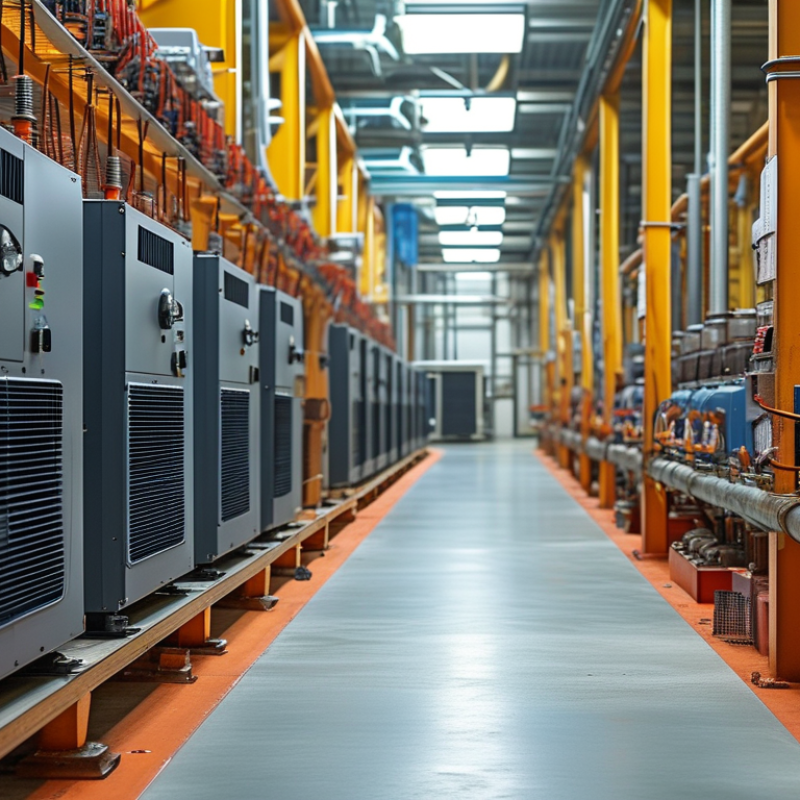
A Variable Frequency Drive (VFD) is an essential device in modern industrial applications. It controls the speed and torque of electric motors. By adjusting the frequency and voltage supplied to the motor, it enhances energy efficiency. According to a report by the International Energy Agency, using VFDs can reduce energy consumption in motor-driven systems by up to 50%. This significant savings showcases their importance in various sectors.
The purpose of a VFD extends beyond mere speed control. VFDs facilitate smoother starts and stops, reducing wear on mechanical components. This can lead to decreased maintenance costs and longer equipment life. A study by the U.S. Department of Energy indicated that VFDs can lower operational costs by approximately 30%. However, implementing VFD technology requires careful consideration of system compatibility and electrical demands. Not all applications may benefit equally, which requires more investigation before deployment.
Additionally, VFDs can lead to variable performance issues if not properly configured. Users must remain vigilant about monitoring parameters to ensure reliability. A lack of expertise in setup might result in underperformance. Therefore, having knowledgeable personnel is crucial for maximizing the benefits of VFD technology. Emphasizing proper usage and ongoing training can bridge this gap in many organizations.
| Parameter | Description |
|---|---|
| Definition | A Variable Frequency Drive (VFD) is an electronic device that controls the speed and torque of an electric motor by varying the frequency and voltage supplied to the motor. |
| Purpose | Used to improve energy efficiency, control motor speed, and reduce mechanical stress in various applications. |
| Operation Principle | VFDs convert AC power to DC and then back to variable frequency AC power to control motor speed. |
| Components | Includes a rectifier, DC bus, inverter, and control circuitry. |
| Applications | Commonly used in pumps, fans, conveyors, and HVAC systems for efficient speed control. |
| Benefits | Significant energy savings, improved process control, and reduced wear and tear on equipment. |
: A VFD controls motor speed and torque by adjusting the frequency and voltage supplied to the motor.
Key components include the rectifier, DC bus, and inverter, which facilitate AC to DC conversion and vice versa.
VFDs can reduce energy consumption by up to 60% through precise speed regulation in various applications.
The rectifier converts AC power to DC, stabilizing the voltage for efficient motor operation.
Regular checks can identify wear and prevent overheating, thus avoiding costly equipment failures.
Users may encounter noise, interference, and may require training for effective system integration and operation.
Yes, by modulating speed, VFDs reduce mechanical stress on motors, extending their lifespan and lowering maintenance costs.
VFDs optimize energy use by adjusting speeds in fans and pumps, especially during low-demand periods.
Ensure all settings match system requirements; improper adjustments may lead to inefficiencies or equipment damage.
A thorough understanding enhances reliability and performance, helping users efficiently manage motor-driven applications.
A variable frequency drive (VFD) is an electronic device that controls the speed and torque of electric motors by varying the frequency and voltage of the power supply. The primary purpose of a VFD is to enhance energy efficiency, improve process control, and extend the lifespan of motors by allowing precise speed adjustments in various industrial applications.
Key components of a VFD include the rectifier, DC link, and inverter, which work together to convert AC power to DC and then back to variable AC. VFDs are widely used in industries for applications such as pumps, fans, and conveyors, providing significant benefits such as reduced energy consumption, decreased mechanical wear, and improved operational flexibility. By implementing a variable frequency drive, industries can achieve more efficient motor operation and optimize their overall performance.
