 CHANGHORN
CHANGHORN
CHANGHORN
High-Precision Thermal Signal Conditioning Solutions Compliant with Global Industrial Automation Standards
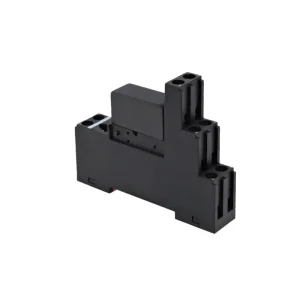
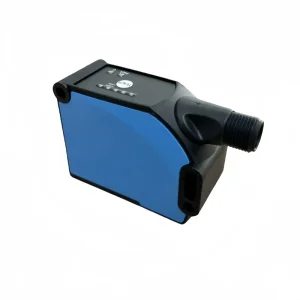
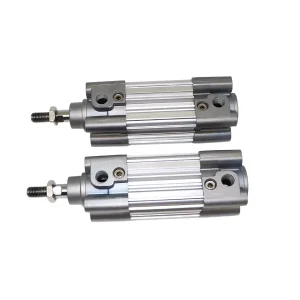
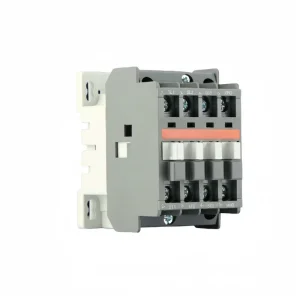
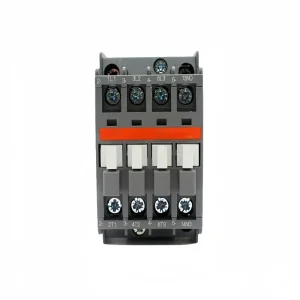
In modern industrial processes, temperature is the most frequently measured physical parameter. From chemical reactors and high-pressure steam pipes to cleanrooms in pharmaceutical manufacturing, exact thermal measurements govern safety, quality, and system efficiency. A temperature transmitter acts as the vital link between a temperature sensor (typically a Resistance Temperature Detector like Pt100/Pt1000 or a thermocouple) and a control unit (such as a PLC or Distributed Control System).
CE Certification serves as a mandatory passport for these devices inside the European Economic Area (EEA), establishing that the electronics comply with stringent directive criteria for electrical safety, electromagnetic compatibility (EMC), and environmental standards. Without proper CE compliance, high electromagnetic interference (EMI) from adjacent variable frequency drives (VFDs) or heavy contactors could distort the micro-volt signals of temperature sensors, introducing errors, system drift, or safety hazards.
Information Gain Insight: CE compliance requires rigorous verification against harmonized standards like EN 61326-1 (EMC requirements for electrical equipment for measurement, control, and laboratory use). It ensures that the transmitter functions accurately under intense electrostatic discharges, surges, and RF interference while maintaining clean signal transmission back to the control room.
High-end smart temperature transmitters function on a modular digitizing architecture. Unlike basic analog modules, smart transmitters process the input through multiple stages:
| Parameter Type | Analog 4-20mA Transmitters | Smart HART Transmitters | Industrial Modbus/Profibus Transmitters |
|---|---|---|---|
| Signal Resolution | Analog limited (dependent on noise) | High digital resolution (via HART) | Fully digital, up to 32-bit float |
| Diagnostics | Simple wire-break detection | Sensor health, drift & calibration diagnostics | Advanced sensor health, wire break, drift, and status |
| Wiring Complexity | 2-wire point-to-point | 2-wire point-to-point + digital overlay | Multi-drop bus structure (reduced cabling) |
| Calibrations | Manual via zero/span potentiometers | Digital adjustment via HART communicator | Remote software calibration and configuration |
Procurement directors and engineering leads at multinational enterprises face complex challenges when sourcing temperature transmitters and control system parts. Today's procurement paradigms focus on three primary metrics: Interoperability, Regulatory Alignment, and Supply Chain Resilience.
Many facilities operate a hybrid automation stack containing PLCs from Modicon, network switches from Siemens, actuators from Festo, and cylinders from SMC. When acquiring transmitters, procurement professionals prioritize manufacturers and suppliers that can provide standardized interface components that integrate seamlessly across these brands. A CE certified transmitter ensures that regardless of whether it is connected to a Modicon M200 PLC, a Modicon M241 controller, or safety contactors, the interface remains electrically stable and standardized.
Hongyunlai Technology Co., Ltd., headquartered in Xiamen, Fujian Province, addresses this need by supplying industrial automation electrical components for global markets. Leveraging established relationships with mainstream international brand components and rigid pre-shipment inspections, Hongyunlai offers one-stop procurement solutions that reduce multi-vendor logistics complexities for system integrators and manufacturing factories alike.
CE Certification mandates testing against LVD (Low Voltage Directive) and EMC Directives. Our transmitters operate within specified margins under 80MHz to 1GHz electromagnetic fields, ensuring signals remain stable near heavy machinery and contactors.
High-quality manufacturers utilize stable reference voltage sources and precision metal film resistors, keeping long-term drift under 0.1% of span per year, reducing field calibration frequency.
For applications in petrochemical facilities or gas pipelines, temperature transmitters require ATEX/IECEx certifications in tandem with CE markings, providing intrinsic safety (Ex ia/ib) and flameproof (Ex d) options.
Temperature transmitters do not work in isolation. They form a foundational measurement layer that feeds into complex automation architectures. For example, in a metallurgical process line, a temperature transmitter monitors furnace wall temperatures and sends a 4-20mA signal to a Modicon M241 PLC. The PLC then adjusts the combustion valve positions via pneumatic actuators (such as SMC cylinders) and controls cooling fans using VFD inverters. This system level dependency emphasizes why every single component must match high specifications for quality and reliability.
In explosive environments, dual-compartment field-mounted transmitters with explosive protection (ATEX/IECEx) are mandatory. The transmitter housing (typically low-copper aluminum or 316 stainless steel) protects the electronics against corrosive gases. Our CE-marked smart HART transmitters provide continuous self-diagnostics, monitoring the sensor loop impedance to alert operators before a thermocouple breaks, preventing safety hazards in reactors.
Hygienic processes demand high repeatability and fast response times. Transmitters are paired with RTD probes featuring polished thermowells to prevent bacterial growth. Quick-disconnect clamp fittings (like Tri-Clamp connections) are standardized, and the transmitters must support stable calibration procedures to align with FDA 21 CFR Part 11 requirements.
In power distribution and boiler applications, electromagnetic fields are intensely high. The CE EN 61326-1 industrial compliance ensures that noise from large turbines and switchgear contactors does not disrupt raw thermal measurement signals, preventing incorrect boiler shutdown commands.
The field of industrial temperature sensing is undergoing a transition driven by Industry 4.0 paradigms. The roadmap for temperature transmitters focuses heavily on three technological pillars:
For non-hazardous zones, IO-Link is replacing traditional analog outputs. An IO-Link temperature transmitter transmits temperature values as digital process data over standard three-wire unshielded cables, completely eliminating analog signal conversion errors while providing access to configuration and diagnostic data from the control room.
Ethernet-APL (Advanced Physical Layer) brings high-speed Ethernet communications down to field instruments in hazardous environments. This technology allows transmitters to communicate at 10 Mbit/s over cable lengths up to 1000 meters while supplying power to the instrument, unlocking real-time data access for predictive asset maintenance.
Modern smart transmitters feature edge processing capabilities, comparing historic drift patterns against known sensor aging models to forecast the exact time point when sensor calibration or replacement will be needed, minimizing unscheduled process line shutdowns.
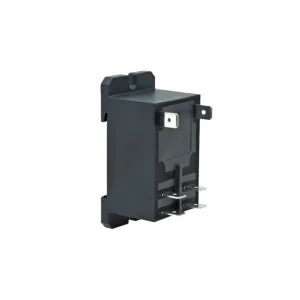
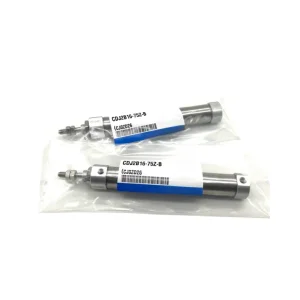
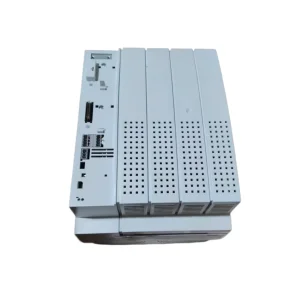
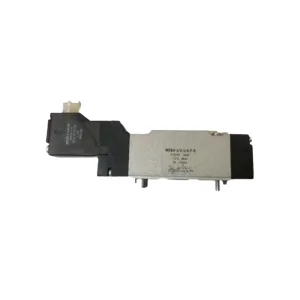
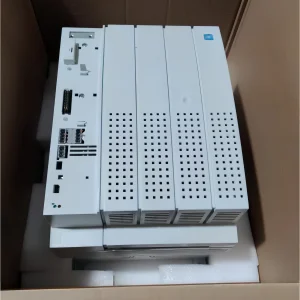
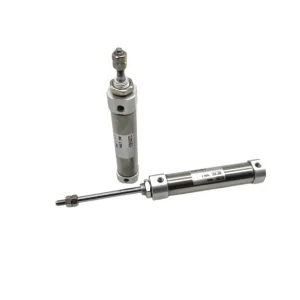
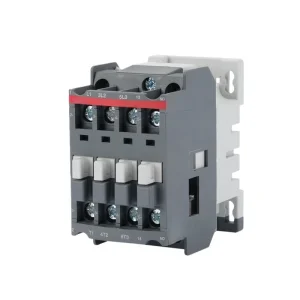
Based in Xiamen, Fujian Province, Hongyunlai Technology Co., Ltd. is a dedicated supplier of industrial automation electrical components for global markets. Backed by extensive experience in the industrial control industry, we have established stable global supply channels and a professional team for international sales and product selection. We provide one-stop procurement solutions for system integrators, manufacturing plants, and equipment maintenance enterprises across the world.
Our comprehensive portfolio features key industrial spare parts from mainstream international brands. This includes PLC controllers, servo drives & motors, inverters, HMI touch screens, sensors, contactors, distributed I/O modules, power supply modules, and other core automation components. To guarantee product quality, we operate a standardized warehouse and implement strict pre-shipment inspections. With rapid response times to model inquiries and flexible international logistics solutions, we support our clients' equipment maintenance, production line upgrades, and engineering renovation projects.
Upholding a business philosophy based on integrity and win-win cooperation, we leverage sufficient inventory, professional technical consultations, and efficient delivery to act as a trustworthy long-term partner for industrial automation spare parts worldwide.