 CHANGHORN
CHANGHORN
CHANGHORN
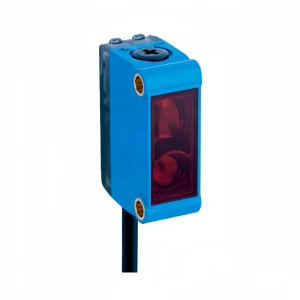
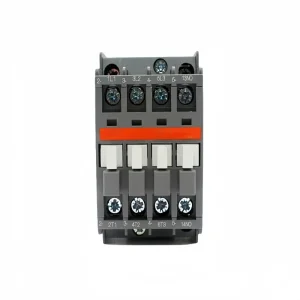
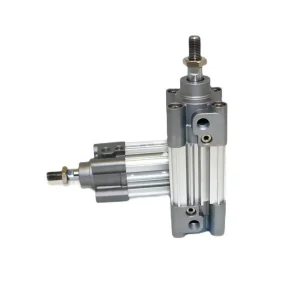
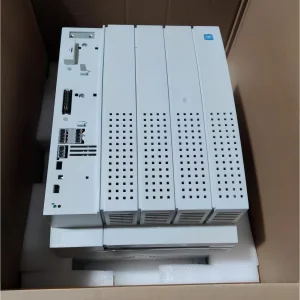
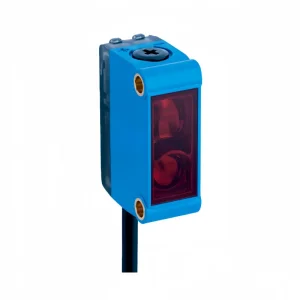
Discover our top-tier selection of high-accuracy sensors, control modules, contactors, and pneumatic components optimized for rigorous global manufacturing operations.
In the era of Industrial Internet of Things (IIoT) and smart factories, pressure monitoring has transitioned from localized, analog telemetry to digital, high-frequency signal processing. Pressure sensors serve as the vital sensory interface in automation architectures, transforming mechanical strain into precise electrical data. Modern industries require sensors that not only offer exceptional repeatability but also operate reliably under extreme physical and electromagnetic conditions.
As international supply chains optimize for efficiency and resilience, China has emerged as the leading hub for pressure sensor manufacturing, combining cost-effectiveness, large-scale component availability, and rapid design adaptation. As a premier exporter, our engineering networks integrate precision MEMS (Micro-Electro-Mechanical Systems) technology, piezoresistive silicon chips, and robust ceramic strain gauges to meet the strict demands of European and North American industrial standards.
Modern industrial systems demand tailored pressure measuring instruments. A single generic pressure sensor cannot meet the safety standards of chemical processing plants, the sanitary requirements of food processing, or the dynamic response speeds needed in mobile hydraulic machinery.
Heavy machinery and factory assembly lines require high overpressure limits and excellent resistance to dynamic fatigue. Our sensors manage pressure spikes and cavitation, protecting pneumatic cylinders and actuators from unexpected structural failures.
In highly corrosive environments, flush diaphragms constructed from Hastelloy, Titanium, or 316L Stainless Steel prevent product buildup and withstand chemical degradation. Ex-proof certifications (ATEX/IECEx) ensure safe deployment in hazardous areas.
In modern HVAC systems, optimizing pump speed and fan performance relies on precise differential pressure monitoring. Our pressure sensors detect micro-changes in airflow and liquid circuits, directly reducing energy usage in smart buildings.
The roadmap for pressure sensing technology highlights two main trends: miniaturization and digital connectivity. Our manufacturing lines prioritize integrating high-resolution analog-to-digital converters (ADCs) directly within the sensor housing. This localized signal processing reduces electromagnetic interference (EMI), even when operating near large variable frequency drives (VFDs) and heavy-duty contactors.
Next-generation pressure transducers feature IO-Link (IEC 61131-9) communications, turning simple sensors into intelligent system nodes. These devices report real-time pressure measurements, track internal temperatures, count pressure cycles, and flag potential faults before they trigger downtime. This capabilities align with modern predictive maintenance strategies, reducing unplanned maintenance costs for operators worldwide.
For applications exceeding 125°C, ceramic thick-film strain gauges provide a reliable, oil-free sensing solution. The ceramic diaphragm deforms under pressure, changing resistance values without requiring internal filling fluids. This design eliminates the risk of system contamination from fluid leaks, making it ideal for food processing, pharmaceutical manufacturing, and high-purity water systems.
Hongyunlai Technology Co., Ltd. is based in Xiamen, Fujian Province, focusing on the supply of industrial automation electrical components for global markets. With years of in-depth experience in the industrial control industry, we have established stable global supply channels and a professional team for international sales and product selection. We deliver one-stop procurement solutions for system integrators, manufacturing factories and equipment maintenance enterprises across the world.
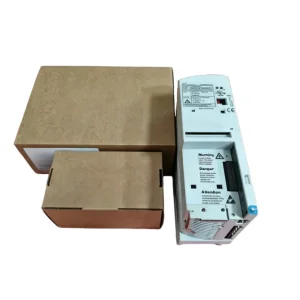
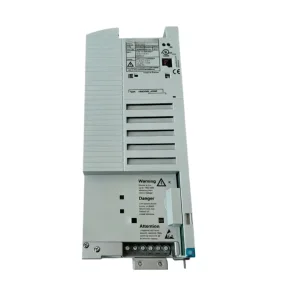
We supply industrial spare parts of mainstream international brands. Our product portfolio includes PLC controllers, servo drives & motors, inverters, HMI touch screens, sensors, contactors, distributed I/O modules, power supply modules and other core automation components.
We operate a standardized warehouse and implement strict pre-shipment inspection to guarantee product quality. We respond rapidly to model inquiries and provide flexible international logistics solutions, fully supporting customers’ equipment maintenance, production line upgrading and engineering renovation projects. Upholding the business philosophy of integrity and win-win cooperation, we rely on sufficient inventory, professional technical consultation and efficient delivery. We aim to be your trustworthy long-term partner for industrial automation spare parts.
Every industrial sensor, inverter, and contactor undergoes a strict quality control inspection at our Xiamen warehouse before shipping to confirm operational reliability and compliance.
We provide flexible international shipping options, handling complex customs clearances to ensure your critical automation components arrive quickly and securely.
Our sales team works alongside engineering specialists to verify model configurations, helping you choose the right sensor and automation components for your application.
Exporting industrial instrumentation to global markets requires strict compliance with international technical standards. Our manufacturing processes and products are aligned with major global certification bodies, ensuring smooth integration into OEM machinery and municipal systems:
To support global field integrations, we provide comprehensive technical documentation, including CAD drawings, calibration certificates (traceable to NIST/national standards), and step-by-step installation guides in multiple languages. Our engineers offer prompt remote diagnostic support, helping reduce setup times and keep your automation projects on track.
This reference guide answers frequently asked questions from instrumentation engineers and procurement officers regarding industrial pressure sensors.
Gauge pressure sensors measure pressure relative to atmospheric pressure, venting the back of the sensor diaphragm to ambient conditions. Absolute pressure sensors reference a sealed vacuum chamber behind the diaphragm, making them ideal for altitude and vacuum applications. Differential pressure sensors measure the pressure difference across two distinct ports, which is useful for checking filter blockages or calculating fluid flow rates inside pipes.
Standard 316L Stainless Steel works well for water, air, and mild oils. However, corrosive chemicals like sulfuric acid, chlorine, or saltwater require specialized alloys. Hastelloy C-276 provides excellent resistance to pitting and crevice corrosion, while tantalum diaphragms are preferred for highly acidic processes where stainless steel would quickly fail.
Water hammer and sudden pressure surges can rupture sensor diaphragms. To prevent this damage, we recommend installing a pressure snubber or restrictive orifice in the inlet port. These mechanical devices restrict fluid flow during sudden surges, protecting the sensor diaphragm while maintaining accurate static pressure readings.
Piezoresistive and strain-gauge sensors are naturally sensitive to temperature changes, which can cause reading drift. High-quality transmitters include built-in temperature compensation, using an internal sensor to adjust the calibration circuit across operating ranges (typically -40°C to 125°C). This compensation ensures stable readings even during rapid temperature changes.
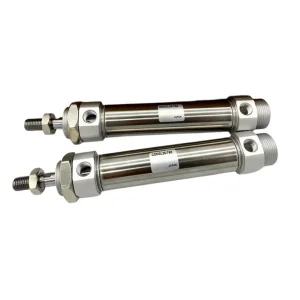
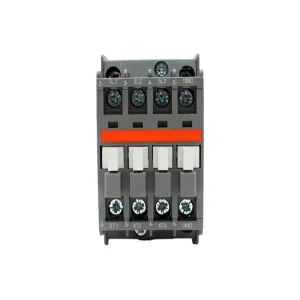
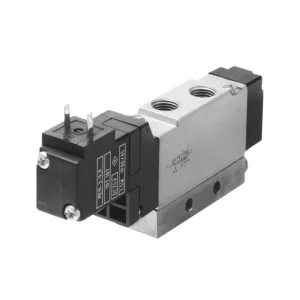
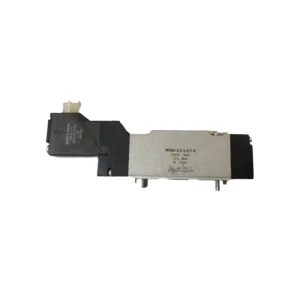
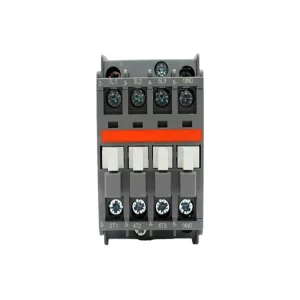
Browse our catalog of genuine pneumatic actuators, control valves, communication interfaces, and heavy contactors sourced to maintain your production lines.