 CHANGHORN
CHANGHORN
CHANGHORN
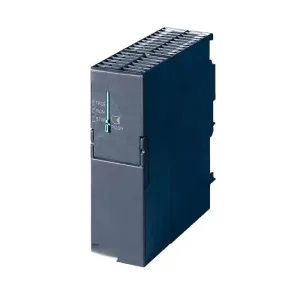
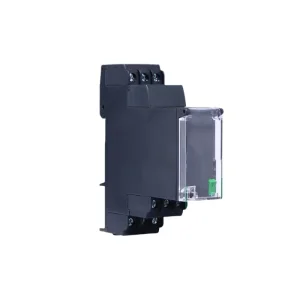
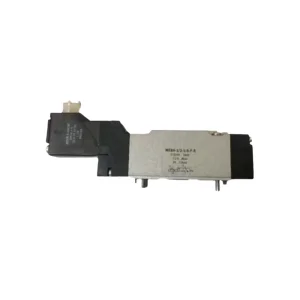
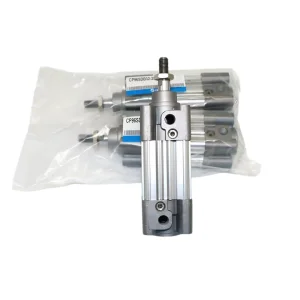
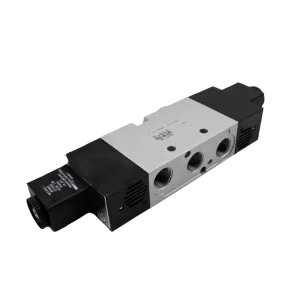
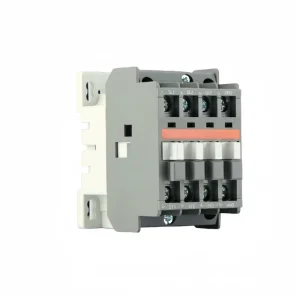
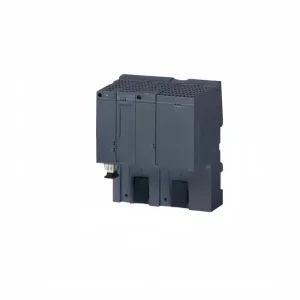
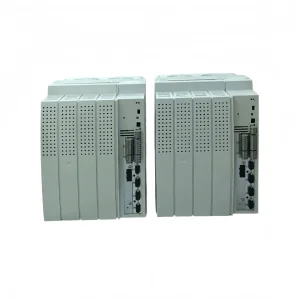
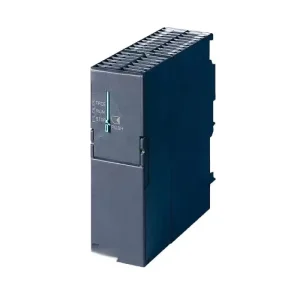
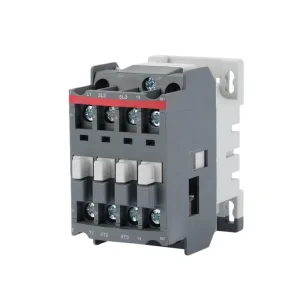
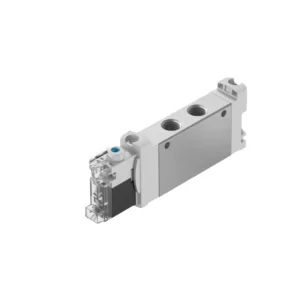
Discover our curated selection of high-performance programmable controllers, input/output modules, solenoid valves, and industrial components engineered for seamless HMI interface integration.
An industrial-grade whitepaper analyzing technology landscapes, engineering methodologies, and supply-chain structures in the modern HMI market.
The global demand for high-performance GOT (Graphic Operation Terminal) HMIs has experienced exponential growth. Modern smart factories demand human-machine interfaces that serve as more than simple command consoles; they require interfaces that act as critical edge nodes capable of handling high-speed data telemetry, protocol translation, and real-time visualization. As system integrators and machine builders worldwide scale up automation, navigating the sourcing pipelines from Chinese HMI manufacturers has become a key competitive variable.
China’s industrial hubs have evolved from assembly clusters into advanced research, development, and high-precision manufacturing centers for touch panel interfaces. Operating under stringent Quality Management Systems (QMS) such as ISO 9001 and IATF 16949, top Chinese factories leverage advanced technologies like optical bonding (LOCA), protective tempered glass overlays, and electromagnetic compatibility (EMC) shielding. This guarantees that wholesale GOT HMIs from China meet or exceed the performance parameters of legacy, high-priced western brands, providing a balanced price-to-performance ratio.
When selecting a reliable manufacturing partner in this ecosystem, procurement and automation engineering departments must look beyond standard pricing. Evaluation criteria should include core panel lifetimes (measured in backlight half-life hours, typically targetting >50,000 hours), driver board component grade (industrial-grade vs. commercial-grade capacitors), ingress protection levels (IP65, IP66, or IP69K), and multi-vendor communication stack compatibility (Profinet, CC-Link, Modbus, OPC UA).
Key technology trends shaping human-machine interfaces through 2030, detailing the progression from simple command panels to intelligent edge visualization suites.
Modern GOT HMIs are transitioning to serve as direct IoT gateways. Advanced panels now feature built-in OPC UA, MQTT, and secure WebSocket clients, enabling direct communication between the factory floor and enterprise ERP/MES platforms without needing dedicated gateway PCs.
Standard resistive touch screens are rapidly giving way to ruggedized, noise-immune PCAP multi-touch panels. Optical bonding eliminates air gaps between the LCD display and the cover glass, reducing internal reflections by up to 90%, improving readability under direct sunlight, and preventing condensation under extreme temperature shifts.
The integration of high-performance ARM Cortex-A series processor architectures allows GOT HMI hardware to run real-time OS (RTOS) alongside Linux-based visualization containers. This facilitates localized scripting, database storage (SQLite), and HTML5 web server capabilities, permitting remote maintenance technicians to mirror display terminals on tablets and smartphones.
Next-generation HMIs feature local machine-learning inference engines. By analyzing PLC inputs and touch sequence frequencies, the HMI adapts its layout dynamically for maintenance alerts, pre-empts machine failure states, and presents step-by-step interactive troubleshooting video overlays directly on the panel screen.
How industrial-grade GOT HMI panels are deployed to solve critical operational challenges in challenging plant environments.
With millisecond cycle times, modern automotive lines rely on GOT HMIs featuring multi-port Ethernet switching to communicate simultaneously with robot controllers, safety sensors, and master PLCs. Dual-processor architectures ensure UI responsiveness remains high, even when displaying over 5,000 tags/second.
Designed to operate safely in environments with high risks of explosion, customized GOT HMI panels feature Class I Division 2, ATEX, and IECEx certifications. Stainless steel enclosures, explosion-proof glass overlays, and extended operational temperature limits (-25°C to +60°C) ensure reliable performance in harsh conditions.
For operations requiring regular washdowns with harsh cleaning chemical solutions, these panels feature IP69K rated front bezels, flat-surface structures that prevent bacterial accumulation, and chemical-resistant glass substrates designed to withstand daily CIP (Clean-in-Place) procedures.
Understanding how advanced automation and localized material ecosystems enable Chinese HMI factories to deliver reliable products with fast lead times.
The primary competitive advantage of Chinese HMI manufacturing lies in the geographic concentration of raw materials, display fabrication facilities, and semiconductor packaging centers. This co-location in electronics hubs like Shenzhen, Dongguan, and Fujian minimizes raw material shipping delay risks.
Furthermore, local electronic component ecosystems provide direct, high-volume access to high-resolution LCD backlights, custom touch controller ICs, and high-density PCB substrate manufacturers. This integrated supply chain reduces component-level lead times, allowing factories to scale up production and accommodate sudden spikes in wholesale orders without causing long delays.
To achieve international reliability standards, modern factories implement automated optical inspection (AOI), 3D solder paste inspection (SPI), and automated functional testing (FCT). Completed GOT HMI boards undergo multi-hour burn-in testing inside high-temperature chambers, combined with sweeping frequency vibration tables. This testing structure simulates the harsh electrical and mechanical stresses of real-world factories, ensuring low Out-of-Box Failure rates.
Strategies for international buyers to manage supply-chain variations, legacy component obsolescence, and global logistics channels.
As Western automation brands retire older families (e.g., legacy GOT1000 or early MP277 families), system integrators face high cost risks to redesign complete enclosures. Partnering with factories that produce form-fit-function direct replacements helps avoid retrofitting costs.
International logistics require thorough knowledge of custom codes, export duties, and hazardous lithium battery transport regulations (for HMI backup batteries). Experienced suppliers offer flexible sea, air, and express options, saving clients from customs clearance delays.
Global factories often mix PLC controller brands within single lines. Sourcing HMI panels featuring independent, multi-driver configuration protocols allows integration with Siemens, Mitsubishi, Rockwell, and Omron controllers simultaneously without extra converters.
Ensuring sourced products comply with international regulatory structures and support localization needs.
Any wholesale equipment integrated into European or North American manufacturing facilities must hold clear certifications. Working with compliant manufacturers guarantees the panels possess CE marks, pass FCC Class A electromagnetic interference (EMI) restrictions, and conform to RoHS lead-free guidelines.
Globalized machinery export requires display localization. Sourced HMIs must support Unicode, permitting direct, dynamic on-screen switching between English, Spanish, German, Mandarin, and other international character sets without text formatting errors.
To reduce down-time costs, modern panels utilize remote access software. Through VNC servers or secure VPN clients built directly into the HMI firmware, off-site technicians can diagnose issues, update programs, and assist on-site operators without traveling.
Answers to common technical, logistics, and quality questions when purchasing wholesale GOT HMIs and industrial control components.
Your trusted global supply partner for industrial automation and control components.
Hongyunlai Technology Co., Ltd. is based in Xiamen, Fujian Province, focusing on the supply of industrial automation electrical components for global markets. With years of in-depth experience in the industrial control industry, we have established stable global supply channels and a professional team for international sales and product selection. We deliver one-stop procurement solutions for system integrators, manufacturing factories, and equipment maintenance enterprises across the world.
We supply industrial spare parts of mainstream international brands. Our product portfolio includes PLC controllers, servo drives & motors, inverters, HMI touch screens, sensors, contactors, distributed I/O modules, power supply modules, and other core automation components.
We operate a standardized warehouse and implement strict pre-shipment inspection to guarantee product quality. We respond rapidly to model inquiries and provide flexible international logistics solutions, fully supporting customers’ equipment maintenance, production line upgrading, and engineering renovation projects. Upholding the business philosophy of integrity and win-win cooperation, we rely on sufficient inventory, professional technical consultation, and efficient delivery. We aim to be your trustworthy long-term partner for industrial automation spare parts.
Direct supply partnerships and verification processes ensure parts match global standards.
Strict environmental and storage controls protect sensitive semiconductors and PLCs.
Dedicated staff support component identification, cross-referencing, and systems matching.
Operational statistics supporting global supply chains and assembly operations.
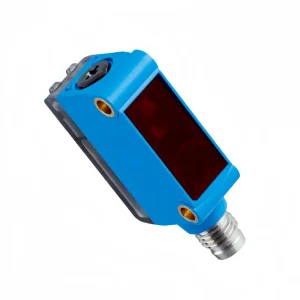
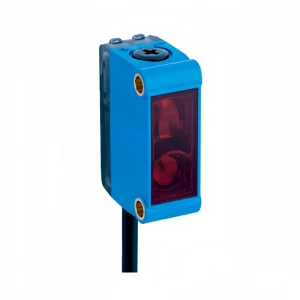
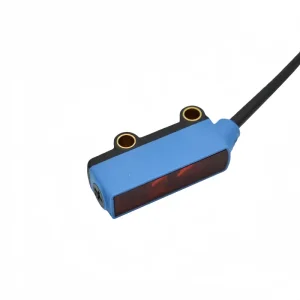
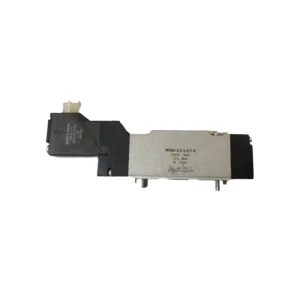
Explore our full line of encoders, cables, photoelectric sensors, and pneumatic control components built for automated processes.