 CHANGHORN
CHANGHORN
CHANGHORN
High-performance industrial spares, PLC expansion modules, sensors, and contactors sourced for critical manufacturing infrastructure.
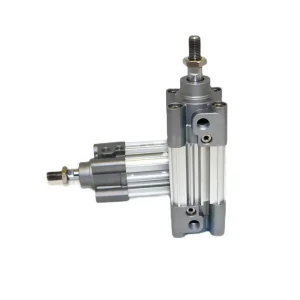
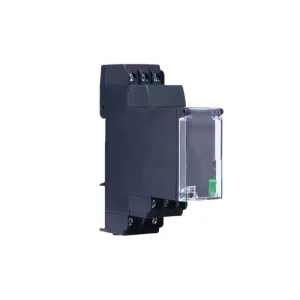
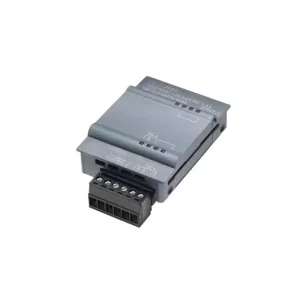
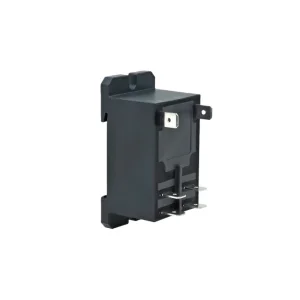
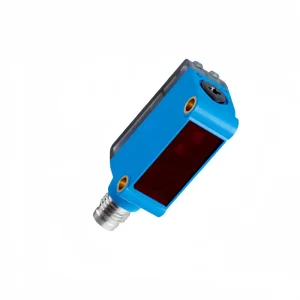
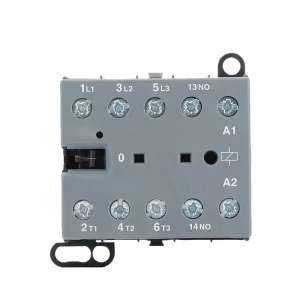
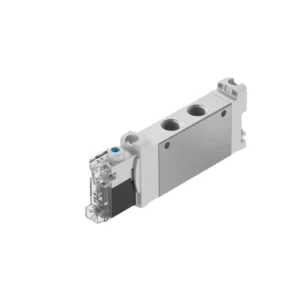
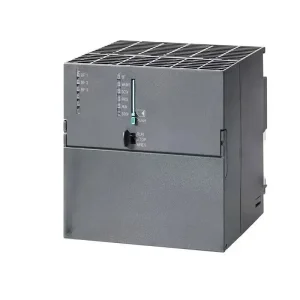
In the rapidly transforming global manufacturing environment, Human-Machine Interfaces (HMIs) serve as the nervous system of industrial control lines. Within this market, Siemens AG stands as the gold standard of execution, reliability, and engineering integration. Siemens SIMATIC HMI panels are deployed globally to orchestrate complicated tasks, visualize machinery status, process edge-level data, and enable human operators to make data-backed choices in real time.
From the high-tech automotive plants in Baden-Württemberg to chemical facilities along the US Gulf Coast, and precision electronics factories in Southern China, Siemens HMIs—such as the Key Panels, Basic Panels, Comfort Panels, and the newly established SIMATIC HMI Unified Comfort Panels—control the floor. Because HMIs sit directly at the interaction boundary between operations technology (OT) and enterprise software systems, their procurement and distribution require absolute technical precision. System integrators and global factories cannot afford downtime, making the identification of the top Siemens HMI factories and suppliers a business-critical priority.
The industrial interface is no longer just a digital display showing basic push-buttons and red/green indicators. The contemporary technical roadmap for Siemens HMI revolves around deep convergence with Industrial Internet of Things (IIoT) architectures. Siemens' transition from Classic WinCC and WinCC Comfort (configured in TIA Portal) to the new WinCC Unified System marks a significant architectural shift.
Modern Unified Comfort panels run native HTML5 visualizations, allowing operators to securely access the HMI interface from mobile devices, tablets, and remote browsers without browser plugins.
HMIs now serve as Edge devices. They run Docker containers directly on the panel, processing data locally, filtering raw values, and executing AI-driven predictive maintenance scripts before cloud transit.
With the expansion of OT-IT connectivity, Siemens panels incorporate IEC 62443 cybersecurity specifications, featuring encrypted communication, user authentication, and secure port management.
For system integrators, understanding this roadmap is crucial. Upgrading to Unified Comfort Panels ensures that your manufacturing layouts remain future-proof, support remote monitoring, and maintain strict network separation protocols. When selecting a Siemens HMI supplier, verified expertise in these modern software frameworks is just as important as inventory availability.
Siemens HMI hardware must adapt to different physical environments. High-quality supply partners classify these requirements based on localized industrial verticals:
Siemens HMI hardware delivers maximum performance when paired with SIMATIC controllers. The integration utilizes native S7 routing protocol and PROFINET communication profiles, which minimize tag-mapping configurations. When sourcing equipment, securing compatible components—such as distributed I/O modules, communication processors, and absolute encoders—ensures seamless compatibility and reduces commissioning times.
Sourcing industrial electrical spares carries operational risks. Counterfeit components, refurbished units marketed as "new," and firmware mismatches can halt multi-million dollar production lines. To ensure reliability, system integrators evaluate suppliers against four E-E-A-T pillars:
A trusted supplier must provide transparent tracking back to authorized distribution networks or verified surplus channels, confirming the authenticity of the hardware.
Pre-shipment physical inspections, power-on testing, and visual checks for seal integrity prevent dead-on-arrival (DOA) failures.
Industrial operations depend on fast shipping. Reliable suppliers utilize express networks (DHL, FedEx, UPS) and manage customs compliance to minimize downtime.
Based in the port city of Xiamen, Fujian Province, Hongyunlai Technology Co., Ltd. specializes in supplying industrial automation electrical components to global markets. With years of experience in the industrial control sector, we have built reliable global supply channels and staffed a professional team focused on international sales, technical validation, and product selection.
We offer comprehensive procurement solutions for system integrators, manufacturing plants, and maintenance teams worldwide. Our portfolio covers mainstream international brands, featuring PLC controllers, servo drives & motors, inverters, HMI touch screens, sensors, contactors, distributed I/O, and power modules.
Operating from our structured warehouse, we perform rigorous pre-shipment inspections to guarantee quality. We handle model inquiries quickly and offer flexible international logistics options to support your equipment maintenance, production line upgrades, and engineering projects. Guided by integrity and mutual success, we combine sufficient stock with technical support and efficient delivery to be your long-term industrial automation partner.
Sensors, contactors, circuit breakers, and PLC controllers selected for complex automation architectures.
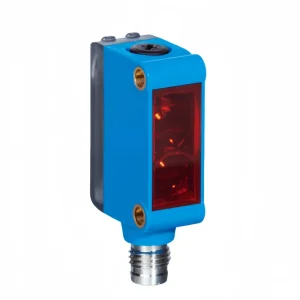
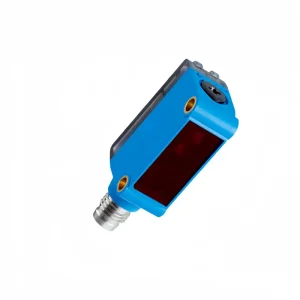
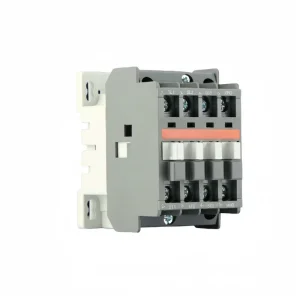
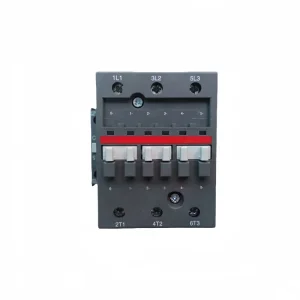
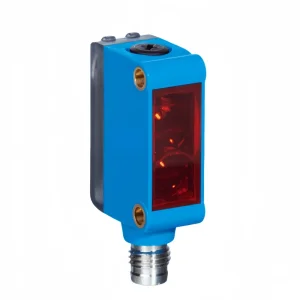
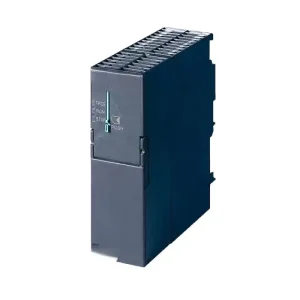
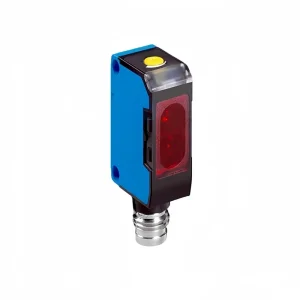
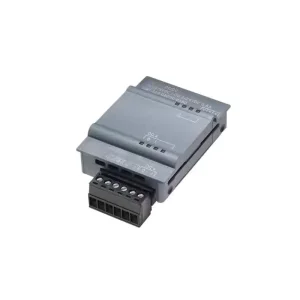
Industrial designers and purchasing agents must clarify visual requirements before placing HMI orders. Siemens structures its display products into three core families:
Optimized for simple applications. Sizes range from 3" to 12". They offer basic graphical capabilities, touch controls, tactile function keys, and connection via PROFINET or PROFIBUS interfaces.
Built for demanding applications. High-resolution screens, integrated system diagnostics, dual-PROFINET ports, and safety-integrated options. Includes advanced archiving, scripts, and media players.
The modern standard. Capacitive multi-touch glass fronts, HTML5 runtime engine, hardware-level security, integrated Edge runtime, and full integration with WinCC Unified engineering tools.
Choosing the correct panel family prevents costly over-engineering or performance bottlenecks. Sourcing teams should look for suppliers who provide comprehensive inventory support across all three tiers, ensuring replacement units are available for legacy operations as well as newer installations.
To protect industrial networks and control platforms, procurement teams should follow these sourcing protocols:
Answers to key technical questions from procurement officers and engineering leads.