 CHANGHORN
CHANGHORN
CHANGHORN
Ensuring micro-accuracy, seamless synchronization, and robust torque control for complex planetary reducer drivetrains.
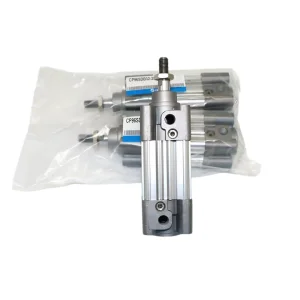
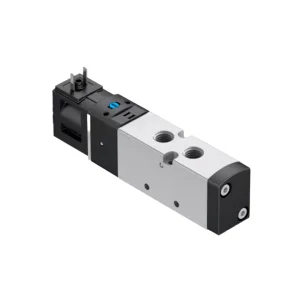
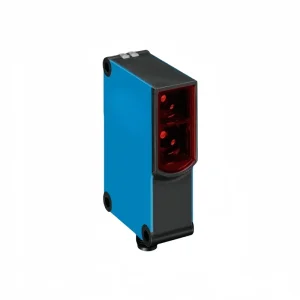
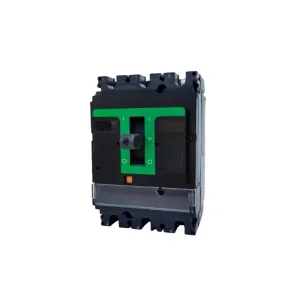
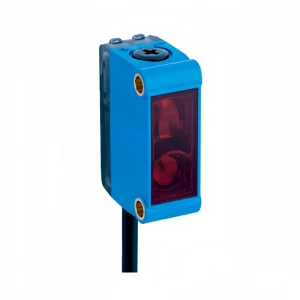
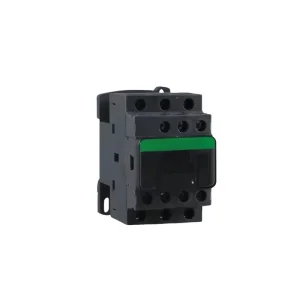
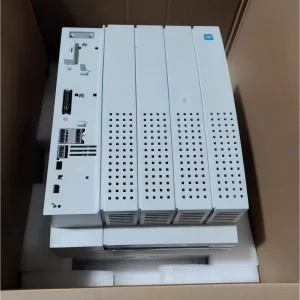
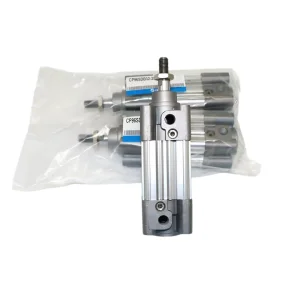
Based in the high-tech hub of Xiamen, Fujian Province, China, Hongyunlai Technology Co., Ltd. has established itself as an authoritative leader in the global supply of industrial automation and mechanical transmission components. Drawing upon years of engineering expertise in high-precision motion systems, we offer a specialized portfolio that integrates top-tier gearboxes, high-efficiency planetary reducers, and core control electronics.
We serve system integrators, automated manufacturing facilities, and planetary drive exporters worldwide. Our operation encompasses a highly standardized warehousing facility where rigorous quality assessment, multi-brand compatibility validation, and precise calibration checks occur prior to global export. This ensures that every component—from the smallest pneumatic cylinder to complex modular planetary gearboxes—functions flawlessly under demanding load conditions.
An in-depth analysis of the structural benefits, global supply dynamics, and integration with modern control architectures.
A planetary reducer is a mechanical gearbox designed to decrease rotation speed while maximizing output torque. Its structure features three main components: a central sun gear, multiple planetary gears rotating in mesh with the sun gear, and an outer ring gear. This configuration distributes loads across multiple gear teeth, offering several structural advantages:
China's industrial clusters in regions like Fujian, Zhejiang, and Jiangsu have transformed the country into a premier exporter of precision transmission components. Global buyers gain several strategic advantages by partnering with Chinese suppliers:
For international procurement managers, sourcing gearboxes and control accessories requires rigorous risk management. Key criteria for vetting suppliers include:
How planetary reducers interface with industrial sensors, PLCs, and pneumatic drives across diverse sectors.
Precision transmission components do not work in isolation. Modern industrial lines integrate mechanical gearboxes with electronic feedback and control systems. Below is an overview of how we align planetary gear systems with auxiliary components like sensors, PLCs, and drive modules to solve industry-specific engineering problems:
| Industrial Sector | Primary Transmission Demands | Core Gearbox Configuration | Integrated Control & Sensing Components |
|---|---|---|---|
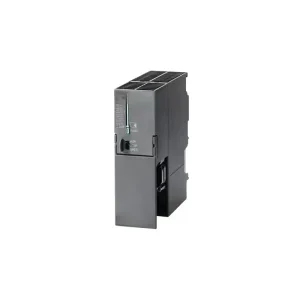
| Robotics & Automation | Ultra-low backlash, high dynamic acceleration, compact design. | Inline Precision Planetary Reducer (Backlash < 3 arcmin) | DFS60A Incremental Encoders, Modicon TM251 PLCs, Step Modules |
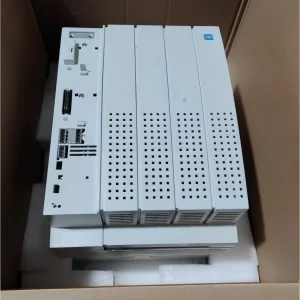
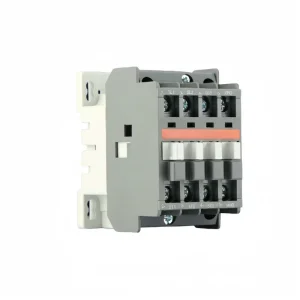
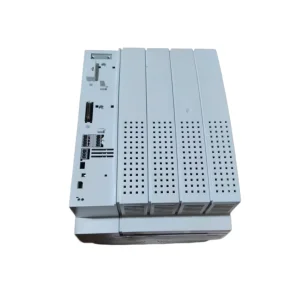
| CNC Machining Centers | Torsional stiffness, radial load capacity, heat resistance. | Helical Gear Planetary Reducer with reinforced output shafts | Lenze Vector VFDs, High-speed Contactor Modules |
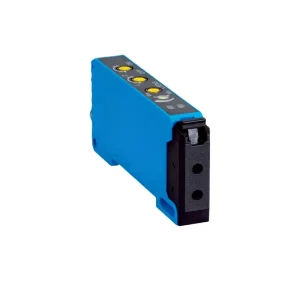
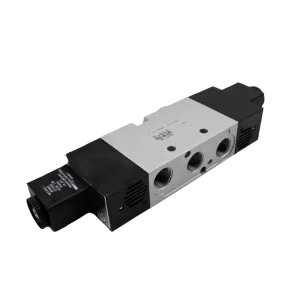
| Material Handling | Continuous high torque, overload resistance, durability. | Right-Angle Planetary Gearbox (Bevel-Planetary integration) | WFE Fork Sensors, Festo Solenoid Valves, Pneumatic Actuators |
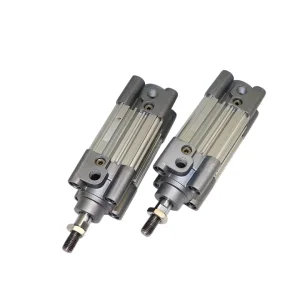
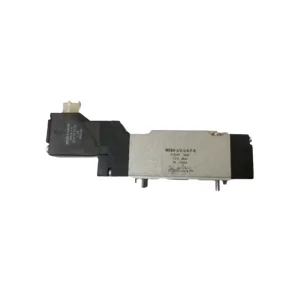
| Packaging Machinery | Synchronization, high throughput, wash-down compatibility. | Stainless steel coated, IP65-sealed Planetary Reducer | SMC Free Mounting Cylinders, VUVS Solenoid Control Blocks |
For example, in a robotic palletizing line, a planetary reducer provides the high torque needed to swing heavy arms. To coordinate this motion, a PLC (such as the Modicon M200/M251) processes position data from high-resolution encoders (such as the DFS60A Incremental Encoder). If the pneumatic system needs to lock the arm at an exact location, an SMC Pneumatic Cylinder controlled by a Festo Solenoid Valve fires in perfect synchronization. Sourcing these components from a single, reliable supplier like Hongyunlai Technology minimizes compatibility risks and speeds up integration.
The next generation of transmission equipment is smarter, lighter, and more efficient.
Modern gearboxes are increasingly equipped with integrated vibration and temperature sensors. By monitoring changes in harmonic frequencies, operators can predict gear tooth wear and schedule maintenance before failures occur, reducing unplanned downtime.
New gear manufacturing techniques, such as dual-pinion mechanisms and optimized tooth profiles, are pushing backlash closer to zero. This development is crucial for autonomous driving systems, satellite tracking, and medical robotics.
Advanced aerospace-grade aluminum alloys, carbon fiber housings, and powder metallurgy processes are reducing overall gearbox weight. This optimization improves power-to-weight ratios in mobile automation equipment.
Expert insights on selecting, installing, and sourcing high-performance industrial gearboxes and control components.
Explore auxiliary sensors, network modules, and frequency inverters to round out your planetary gearbox installation.